

From electric vehicles and business equipment to modern markets, schools, solar-powered streetlights and water projects, Senator Natasha Akpoti-Uduaghan’s empowerment reel offers a glimpse into a model of representation that places community development above religious differences.
By Ibrahim Abdulmalik
In Nigerian politics, representation is often measured by the number of times an elected official appears in the news, the promises made during election campaigns, or the political battles fought against opponents. Yet, for ordinary citizens, the real test of leadership is much simpler: what has changed in their lives because someone was elected to represent them?
For residents of Kogi Central Senatorial District, the empowerment and infrastructure projects highlighted in a recent reel by Senator Natasha Akpoti-Uduaghan present a different way of looking at political representation. The initiatives span transportation, small businesses, agriculture, education, technology, electricity, water supply, market development and community security.
Taken together, these interventions project an approach to constituency service that seeks to connect political leadership with the everyday economic and social needs of the people.
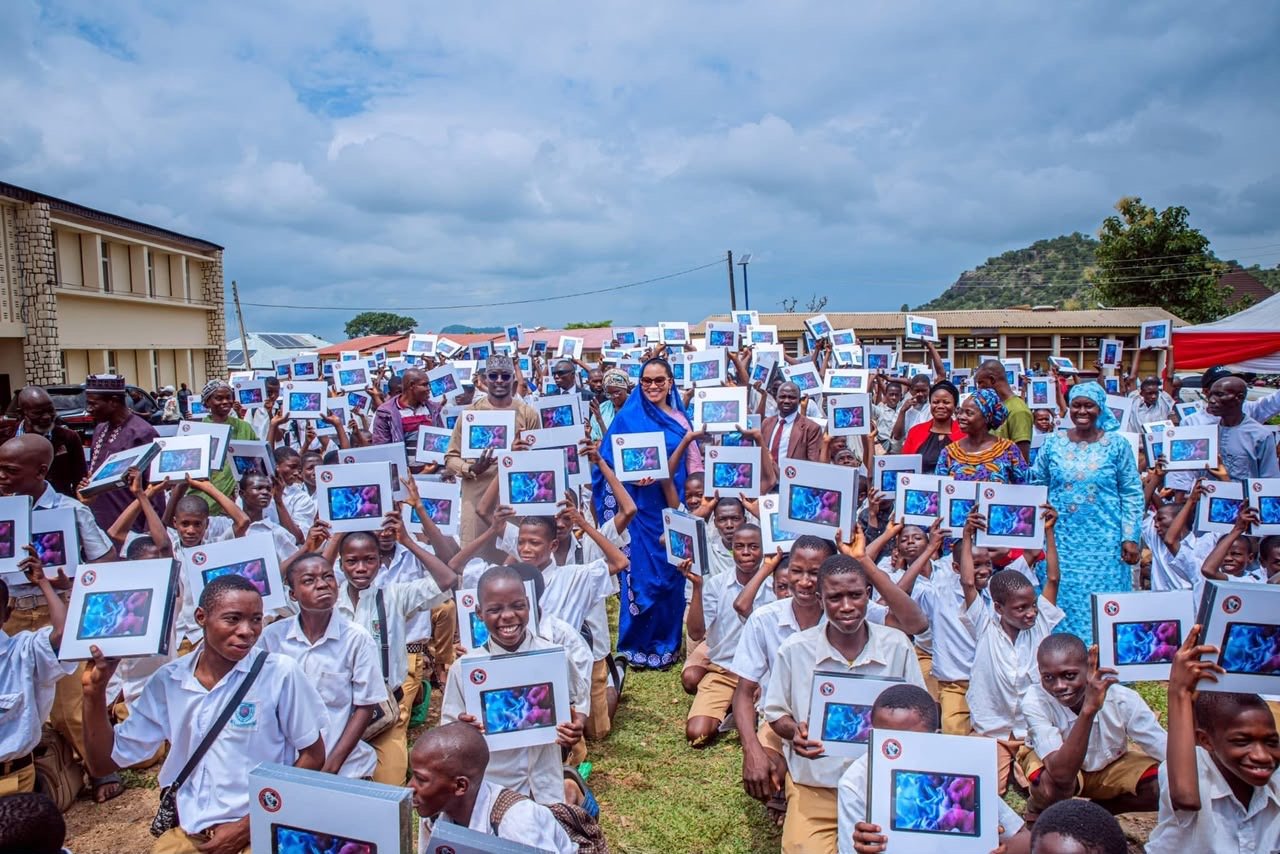
Beyond the political excitement surrounding the senator, however, lies a more compelling story: the possibility of building a society in which development, inclusion and religious tolerance reinforce one another.
Electric Mobility and the Economics of Everyday Survival
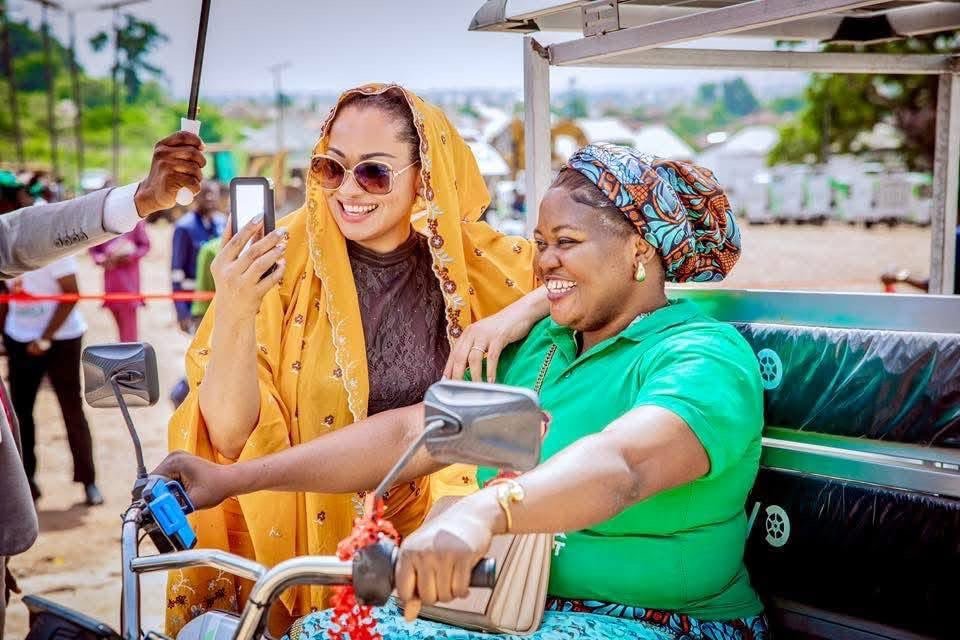
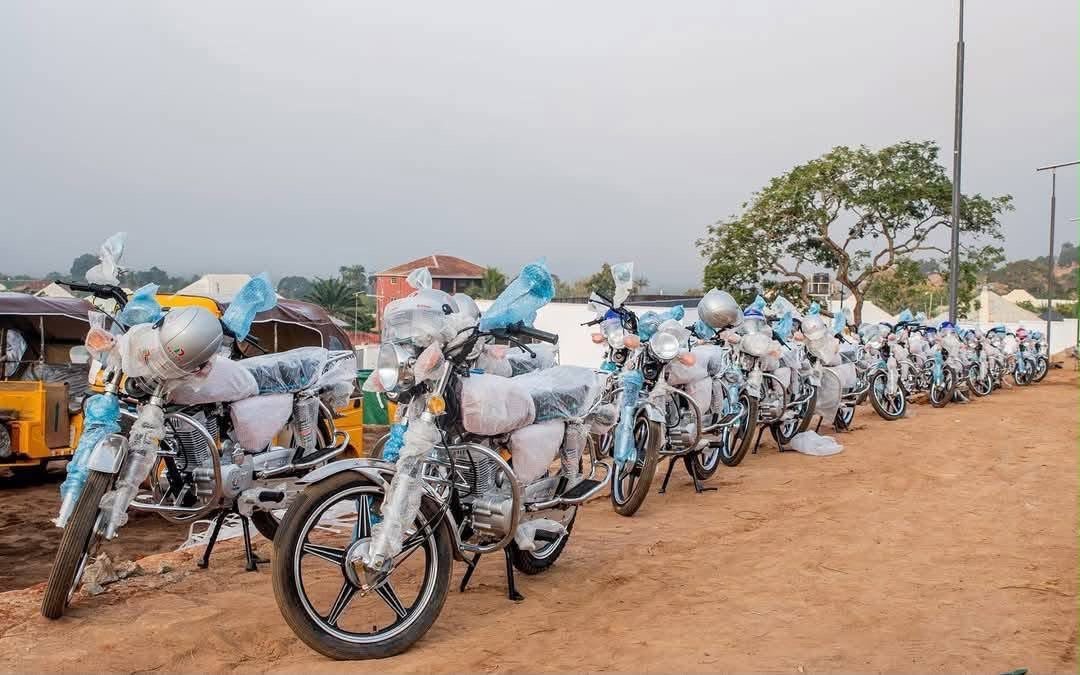
Among the most striking items highlighted in the empowerment reel are made-in-Nigeria electric vehicles distributed to local beneficiaries.
The initiative reportedly provided electric tricycles, pickup vehicles and motorcycles to beneficiaries that include women, farmers and transport operators. The reported number of beneficiaries receiving electric vehicles and motorcycles is between 100 and 200.
In a country where fuel prices and transportation costs have become significant concerns for households and businesses, such an intervention deserves attention.
For a commercial tricycle operator, the cost of fuel directly affects daily earnings. For a farmer, transportation determines how easily produce can reach markets. For a small business owner, rising operating costs can make the difference between remaining profitable and shutting down.
Electric mobility offers a potential alternative by reducing dependence on petrol and lowering some running and maintenance costs. The actual savings, however, depend on electricity access, charging infrastructure, battery replacement and the availability of affordable repairs.
The emphasis on locally manufactured vehicles also raises an important economic question: can constituency empowerment stimulate domestic production, technical skills and employment?
If beneficiaries receive adequate training, maintenance support and access to reliable charging facilities, the initiative could extend beyond the distribution of vehicles to support a more sustainable local transportation economy.
The ultimate measure of success will not simply be the number of vehicles distributed, but how many beneficiaries can use them productively, maintain them and improve their livelihoods over time.
Empowering 2,000 Constituents Through Enterprise
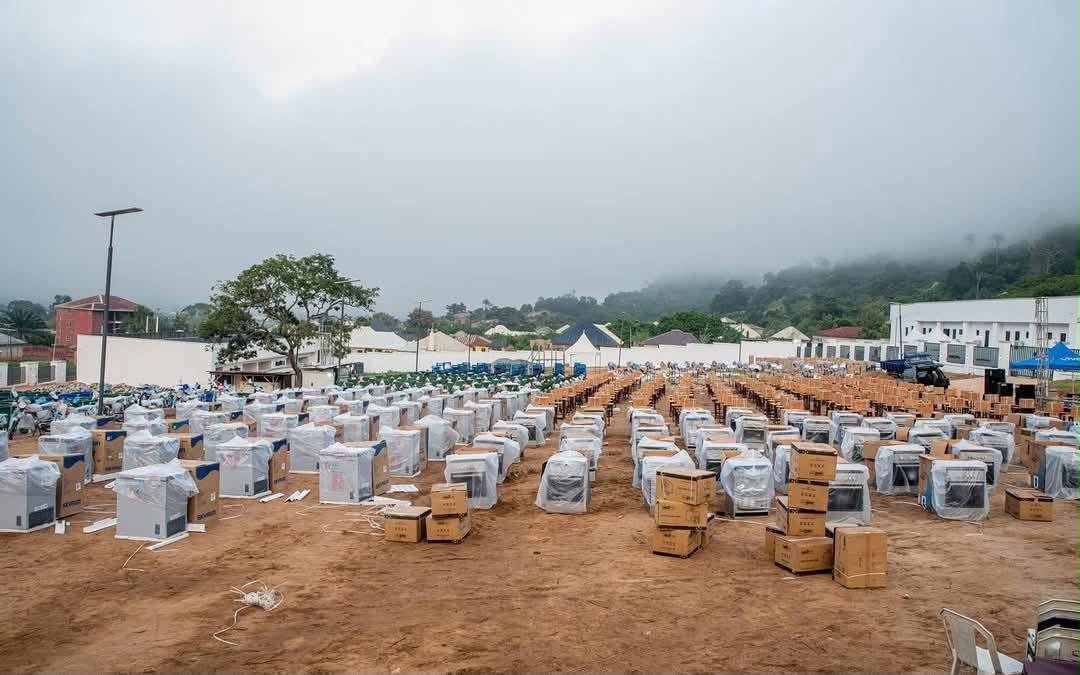
Another major component of the programme involves the distribution of business and trade equipment to a reported 2,000 constituents.
The items include deep freezers, gas cookers, sewing machines mounted on wooden tables, grinding machines with engines, pesticide-spraying equipment, fish ponds and cobbler machines.
These are not merely household or workshop items. For many Nigerians, they represent the tools through which economic independence becomes possible.
A sewing machine can help a tailor establish a business or expand an existing one. A deep freezer can support the preservation and sale of food products. A grinding machine can provide an income-generating service within a neighbourhood, while agricultural spraying equipment can help farmers manage their crops.
Similarly, fish ponds can create opportunities for fish farming, while cobbler machines can strengthen small-scale footwear production and repair businesses.
The social significance of these interventions lies in their potential to reach people who might otherwise struggle to secure the capital required to start or expand an enterprise.
Women, young people, artisans and farmers are particularly important in this regard because small businesses frequently serve as the first line of economic security for families.
Nevertheless, empowerment must go beyond the presentation of equipment at public ceremonies. Beneficiaries need technical training, access to markets, business-management knowledge and, where necessary, after-distribution support.
When these elements accompany equipment distribution, political empowerment can become a foundation for economic resilience.
Bringing Technology Closer to Young Nigerians
The reported provision of drone technology kits to 250 youths and 10 tertiary institutions across Nigeria introduces another dimension to the senator’s empowerment agenda.
The kits are intended to support studies in geology and environmental science, areas in which drone technology can assist with mapping, surveying, environmental monitoring and data collection.
For young people, exposure to such technologies can open pathways into emerging fields that demand specialised technical skills.
The significance extends beyond Kogi Central. By involving tertiary institutions across Nigeria, the initiative potentially connects constituency development with a wider national conversation about innovation and human-capital development.
In a world increasingly shaped by digital technologies, young Nigerians need opportunities to acquire practical skills rather than remain spectators in the global technological transformation.
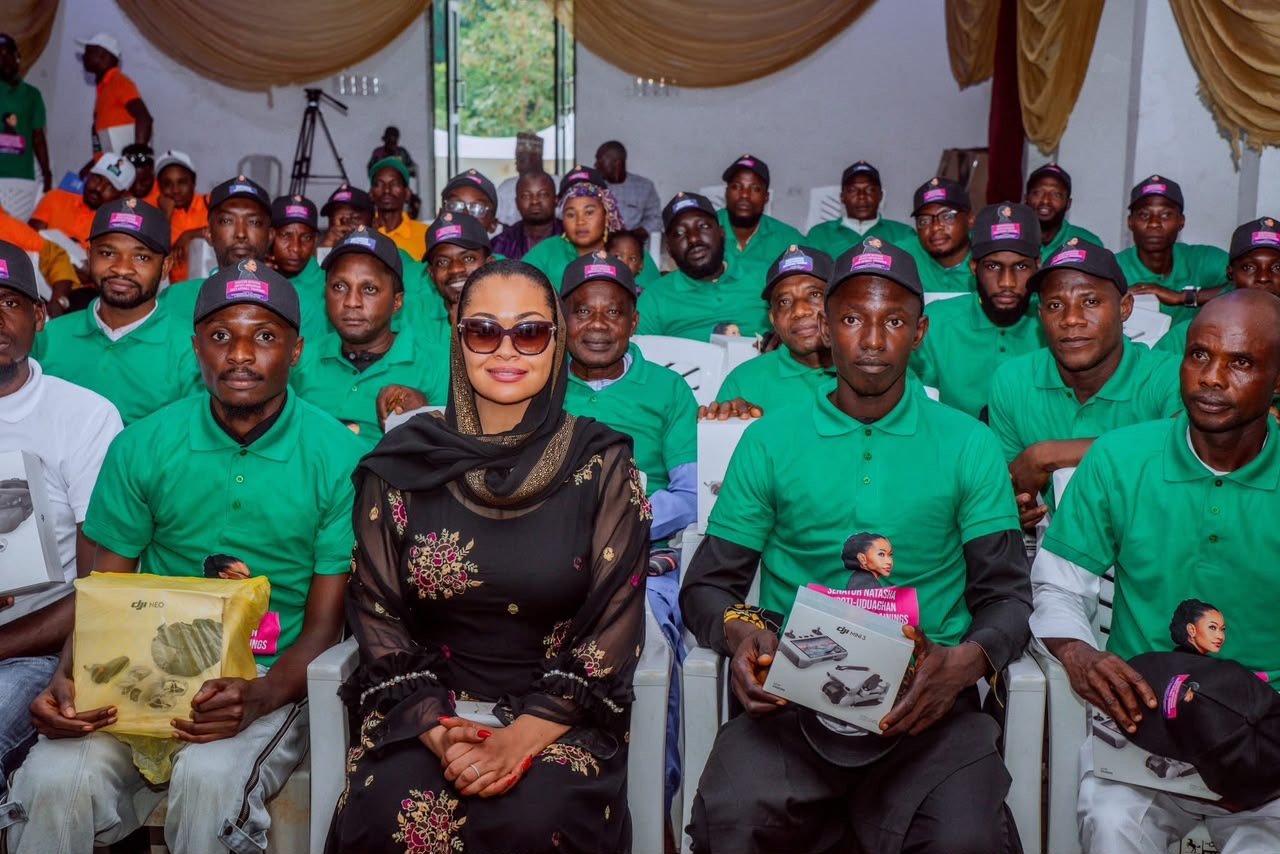
However, the educational value of the initiative will depend on access to qualified instructors, appropriate software, fieldwork opportunities and clear institutional arrangements for maintaining and sharing the equipment.
With these provisions, the kits could become more than technological accessories. They could serve as instruments for research, innovation and career development.
Markets, Schools and the Foundations of Community Development
The infrastructure projects highlighted in the reel suggest an effort to address some of the basic facilities needed for productive communities.
Two modern markets, each reportedly containing 80 shops, are among the projects. The markets are described as having water, electricity and toilet facilities.
For traders, a properly equipped market is more than a place to sell goods. It is a commercial environment that can improve hygiene, encourage customer confidence and support the movement of agricultural produce and other commodities.
The presence of electricity and water can also make trading activities more convenient and productive.
Education features prominently through the reported construction of a new primary school and a secondary school, alongside teachers’ quarters in Osaraba community.
The inclusion of teachers’ accommodation is particularly noteworthy. In communities where attracting and retaining qualified teachers can be difficult, suitable housing may help improve staff availability and continuity.
Still, the long-term value of these facilities will depend on adequate staffing, learning materials, maintenance and sustained government support.
Buildings create the environment for education; teachers, students and effective management bring that environment to life.
Electricity, Water and Safer Communities
The reel also highlights the provision of eight 500 KVA ABB transformers, 14 solar-powered water-reticulation systems and 2,000 smart solar-powered streetlights distributed across five local government areas.
These projects touch on three fundamental needs: electricity, access to water and public safety.
For households and businesses, reliable electricity can improve productivity and reduce dependence on costly alternatives. However, the transformers’ practical impact will depend on installation, grid connections, distribution capacity and maintenance.
Solar-powered water systems offer another potential benefit, particularly in communities where access to clean water remains difficult. Their effectiveness will depend on water quality, the reliability of the sources and the maintenance of pumps and distribution networks.
Streetlights can improve visibility after dark and make roads and public spaces more accessible. They may also support safer movement for traders, commuters and residents.
Yet, their presence should not automatically be equated with a reduction in crime. That requires effective policing, community cooperation and functioning security institutions.
The provision of police housing quarters, a patrol van and a speed bike to the police station in Ihima further demonstrates an attempt to support local security infrastructure.
These interventions will deliver lasting benefits only if the relevant authorities provide the personnel, operational funding and maintenance necessary to keep the facilities working.
Natasha’s Most Enduring Message: Religious Tolerance
Beyond the vehicles, business equipment and infrastructure lies another aspect of Senator Akpoti-Uduaghan’s public image that deserves attention: her reported rejection of religious sentiment as a basis for political representation.
Her family background reflects the religious diversity found in many Nigerian households. Her father was Muslim, her mother is Christian, and she chose Christianity.
In a country where religious identity can sometimes become a tool for political mobilisation, this background provides a useful starting point for a broader conversation about coexistence.
Kogi Central is predominantly Muslim, yet the district’s religious composition has not prevented a Christian woman from representing its people in the Nigerian Senate.
That fact carries a strong democratic message: the right to represent a community should rest on the confidence of its people, not on the religious identity of the person seeking their mandate.
A senator’s responsibility is to represent constituents across religious, ethnic and social boundaries. Roads do not belong to one religion. Electricity is not the exclusive property of one faith. Schools, markets, clean water and security are universal needs.
When development is pursued without religious discrimination, public office becomes a bridge between communities rather than an instrument for deepening divisions.
It is within this context that some admirers have described Akpoti-Uduaghan as an Ambassador of Multicultural Harmony.
The description captures an important ideal, although the strongest evidence of such a reputation will always be consistent inclusion, fairness and respect for citizens of different beliefs.
Beyond the Reel: The Real Test of Representation
The projects highlighted in the empowerment reel provide a basis for discussing constituency development, but political assessment must go beyond presentation and publicity.
How many beneficiaries have established sustainable businesses? How many electric vehicles remain operational? Are the markets functioning? Are the schools adequately staffed? Do the transformers provide dependable electricity? Are the water systems maintained? Have the streetlights improved conditions in the communities they serve?
These are the questions that can turn political claims into measurable public accountability.
Independent verification, transparent beneficiary records and periodic assessments would help establish the projects’ reach and long-term impact.
Such scrutiny should not diminish genuine achievements. Rather, it should strengthen public confidence by demonstrating which interventions work, which require improvement and where further investment is needed.
For Kogi Central, the larger opportunity is to build on constituency projects through partnerships with state and local governments, private investors, educational institutions and community organisations.
The objective should be to transform individual interventions into a coordinated development programme that expands employment, improves public services and creates opportunities for future generations.
Ultimately, Senator Natasha Akpoti-Uduaghan’s empowerment reel raises a question that extends far beyond her constituency: what should Nigerians expect from those elected to represent them?
The answer must include visible projects, but it should also embrace accountability, inclusion and a commitment to the common good.
In a society frequently tested by religious suspicion and political rivalry, the most valuable legacy of representation may be the demonstration that people of different faiths can share the same aspirations, enjoy the same public services and work towards the same future.
For Kogi Central, that is the promise behind the vehicles, markets, schools, transformers and water projects.
And if the principle of religious tolerance remains firmly embedded in the delivery of those projects, the senator’s contribution could be measured not only in infrastructure and economic empowerment, but also in the strengthening of a civic culture where citizenship comes before religious identity, development transcends division, and public service belongs to everyone.
– Ibrahim Abdulmalik can be reached via email: ask4ajigara@gmail.com